Running a medical practice today means managing far more than patient appointments. From coordinating care between visits to keeping patient data protected and staff workloads manageable, the operational demands on healthcare providers have grown considerably. The good news is that the right technology solutions can take a significant amount of that pressure off your plate.
At Midsouth Healthcare Management, we help practices implement and manage the tools that make a real difference: telehealth and chronic care management programs, healthcare virtual assistants, and secure network and IT infrastructure. Here is what you need to know about each.
Telehealth and Chronic Disease Management: Caring for Patients Between Visits
Chronic disease management refers to the ongoing coordination of care for patients living with long-term conditions such as diabetes, hypertension, heart disease, and COPD. These patients need consistent monitoring and support, but they cannot realistically come into the clinic every week.
This is where telehealth changes the picture. Telehealth for chronic disease management allows care teams to stay connected with patients in between appointments, track health data remotely, and intervene early when something changes. The benefits of telehealth for patients with chronic conditions include better adherence to treatment plans, fewer emergency visits, and a greater sense of support from their care team.
At Midsouth Healthcare Management, our Chronic Care Management (CCM) and Remote Patient Monitoring (RPM) services are built around this model. We help practices:
- Enroll eligible patients in CCM and RPM programs
- Coordinate monthly care plan development and review
- Track patient vitals and health data through remote monitoring devices
- Bill correctly for CCM and RPM services to capture the reimbursement your practice is entitled to
- Keep patients engaged and supported without adding to your clinical team’s workload
For practices with a high volume of patients managing chronic health conditions, these programs can also generate meaningful additional revenue while genuinely improving patient outcomes.
How Virtual Assistants Help Medical Practices Run More Efficiently
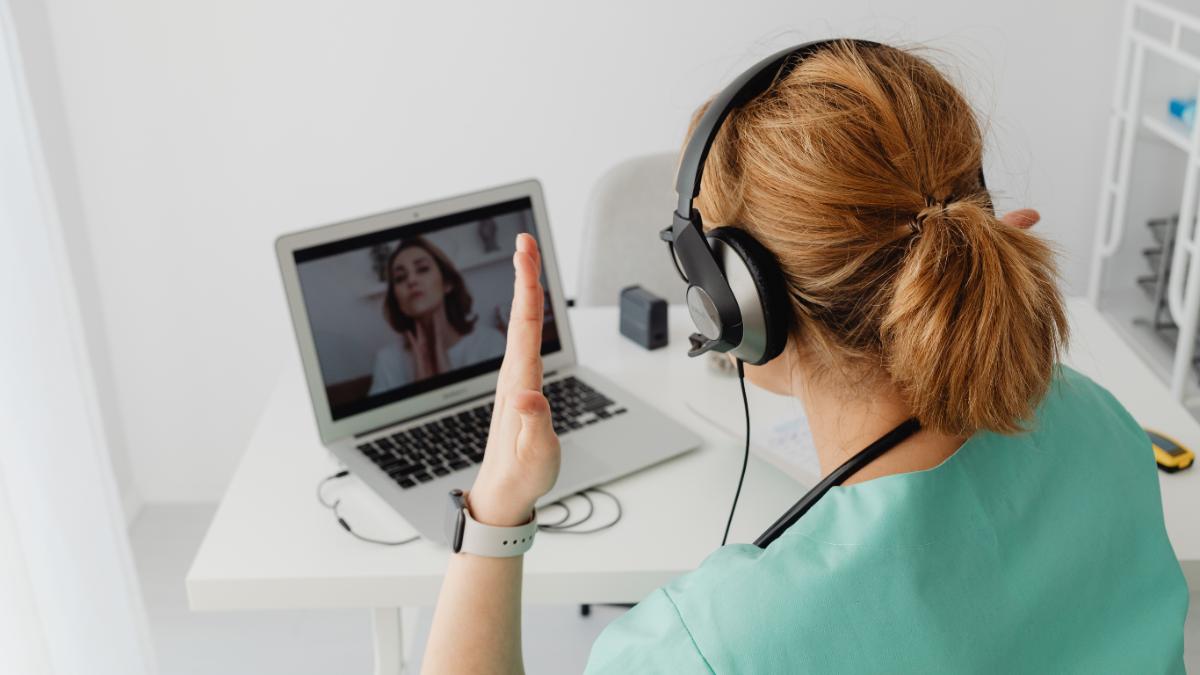
A healthcare virtual assistant is a trained remote professional who handles administrative tasks for your practice. This is not the same as AI-generated automation. A virtual medical assistant is a real person with healthcare-specific training who works as an extension of your team.
Many practices underestimate how much time their clinical staff spends on tasks that do not require a clinical license. Scheduling, patient follow-up calls, referral coordination, prior authorization requests, and documentation support are all areas where a virtual assistant for a medical practice can step in and free your team to focus on patient care.
The advantages of working with a virtual medical assistant through Midsouth Healthcare Management include:
- Reduced administrative burden on in-office staff
- Faster response times for patient inquiries and follow-ups
- Consistent support without the overhead of a full-time hire
- Flexibility to scale support up or down based on your practice’s needs
- HIPAA-compliant workflows and communication practices
Whether you’re a solo practitioner trying to manage everything with a small team or a growing clinic looking to scale without proportionally increasing overhead, virtual assistance is a practical solution worth exploring.
Secure Network Management and Healthcare IT: Protecting What Matters Most
Healthcare organizations are among the most frequently targeted sectors for cyberattacks. Patient records, billing data, and clinical documentation are all high-value targets. At the same time, practices are increasingly reliant on interconnected systems, from electronic health record platforms to telehealth tools to remote monitoring devices.
Secure network management is not optional for healthcare providers. It is a compliance requirement and a practical necessity. Poor network security puts your patients, your reputation, and your practice at risk.
Our IT services at Midsouth Healthcare Management cover the full range of what a practice needs to stay secure and operational:
- Network design and ongoing support tailored to healthcare environments
- Electronic health record system setup, training, and management
- Clinic workflow evaluation and design to reduce technical bottlenecks
- Workstation and device management for in-office and remote staff
- HIPAA-compliant data security protocols
The Importance of Disaster Recovery Planning in Healthcare
One area that practices often overlook until it is too late is backup and disaster recovery. The backup and disaster recovery process in healthcare involves creating secure, redundant copies of your data and having a clear plan in place to restore operations quickly if something goes wrong, whether that is a cyberattack, a hardware failure, a natural disaster, or a simple human error.
Disaster recovery planning matters in healthcare for several reasons. Patient care depends on access to accurate records. Downtime that affects billing or scheduling creates real financial losses. And depending on the nature of the incident, a data breach can trigger HIPAA violations with serious legal and financial consequences.
Virtualization technology plays an important role in modern disaster recovery. By running systems in virtualized environments, practices can recover far more quickly from hardware failures because the software environment is not tied to a single physical machine. This means less downtime, faster recovery, and more confidence that your data is protected.
A well-designed disaster recovery plan should include regular automated backups, clearly defined recovery time objectives, staff training on what to do when something goes wrong, and regular testing to make sure the plan actually works.

Frequently Asked Questions
What does chronic care management mean for my practice?
Chronic care management is a Medicare-recognized service that allows practices to bill for the time spent coordinating care for patients with two or more chronic conditions. It typically involves monthly check-ins, care plan maintenance, and proactive patient outreach. For practices with a significant number of Medicare patients managing ongoing conditions, a well-run CCM program can improve patient health outcomes and generate consistent additional revenue.
How secure is telehealth technology?
When implemented correctly, telehealth technology can be very secure. The key is using platforms and workflows that are designed specifically for healthcare and meet HIPAA requirements. This includes encrypted video connections, secure patient authentication, and proper data storage practices. Consumer-grade video tools are not appropriate for clinical use. Working with a healthcare IT partner that understands these requirements helps ensure your telehealth setup is both functional and compliant.
What is the difference between a virtual assistant and in-house administrative staff?
A virtual medical assistant works remotely and is typically engaged on a flexible basis, which means you are not paying for benefits, office space, or downtime. They handle many of the same administrative functions as in-house staff, including scheduling, patient communication, and documentation support, but without the fixed overhead of a full-time employee. Many practices use a combination of both.
Why is disaster recovery planning important for healthcare practices?
Healthcare practices store sensitive patient data and rely on continuous access to clinical and billing systems to operate. If those systems go down due to a cyberattack, hardware failure, or other disruption and there is no recovery plan in place, the consequences can be severe. These include lost revenue, compromised patient care, potential HIPAA violations, and reputational damage. A solid disaster recovery plan ensures that even in a worst-case scenario, your practice can get back up and running quickly.
Can a small practice benefit from these technology solutions?
Absolutely. Solo practitioners and small clinics often benefit the most because they have fewer internal resources to manage these areas on their own. Telehealth programs, virtual assistance, and managed IT services are all scalable and can be tailored to fit the size and budget of your practice. You do not need to be a large health network to take advantage of tools that reduce workload, improve patient care, and protect your data.
Let Midsouth Healthcare Management Handle the Technology Side of Your Practice
From telehealth and chronic care management to virtual assistance and secure IT infrastructure, the right technology solutions can transform how your practice operates. You focus on patient care. We will handle the rest.
Schedule a discovery call with our team today to find out which solutions are the right fit for your practice.